Release Email Quarantine & Add Inbound Mail Exception to Anti-Spam policy
If a user needs emails released from quarantine and wants to confirm that emails from that domain or sender are not quarantined in the future, the emails will need to be released and then an exception will need to be added to the inbound mail policy that is set up in the admin center.
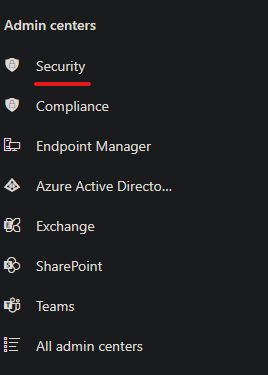

First, navigate to the 365 Admin center and select the Security tab
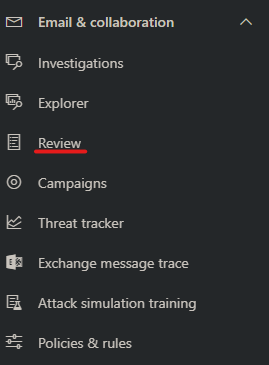
Select Review
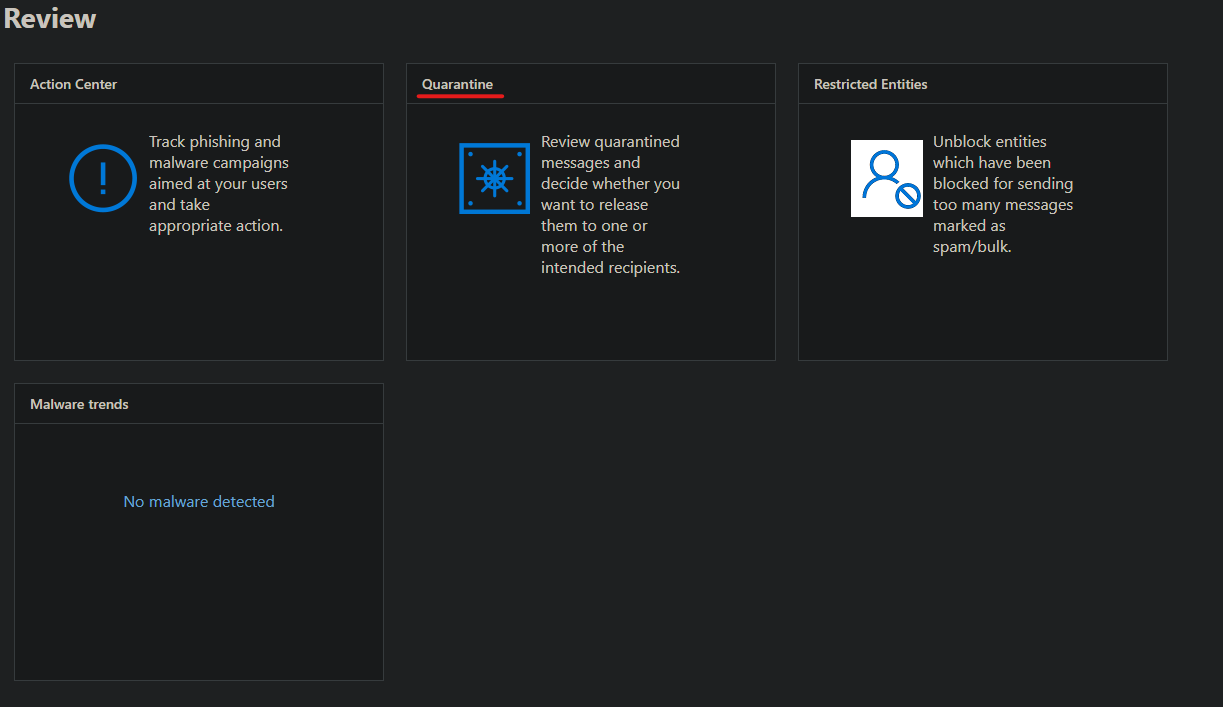
Select Quarantine
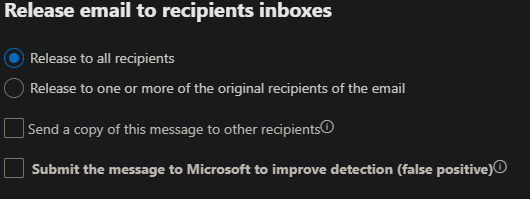
Check the box for the email that you would like to release, and then select the Release option.
You will have the option to release to all recipients, or release to one or more of the original recipients of the email. Select accordingly. You will also have the option to report the quarantine as a false positive, this can help to improve the detection that triggers the inbound traffic policy that quarantined the email.
Now that the email has been released from quarantine, you will need to create an exception to the inbound anti-spam policy to allow inbound traffic from the domain or sender.
Navigate to the 365 Admin center and select the Security tab.
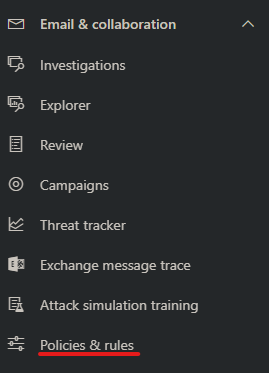
Then, navigate to the Email & Collaboration section and select the Policies & rules tab
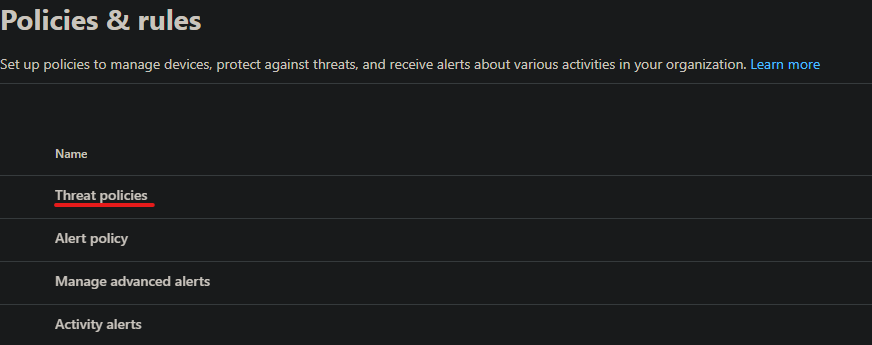
Select Threat policies
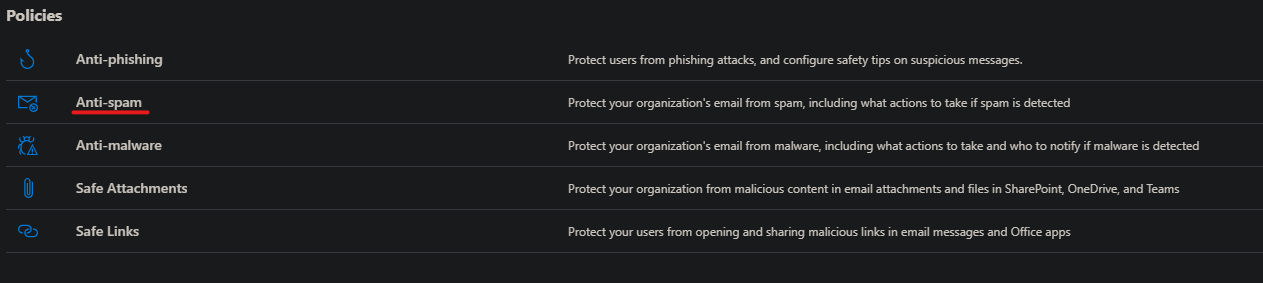
Select Anti-spam
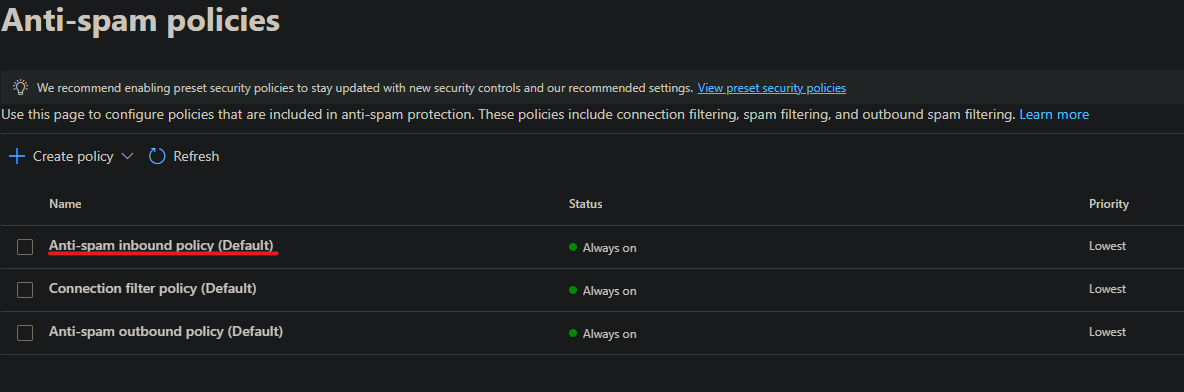
Select Anti-spam inbound policy (Default)
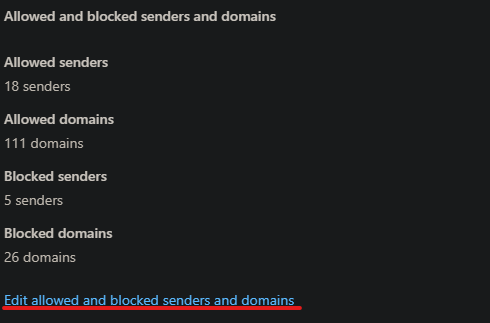
Once in the Anti-spam inbound policy menu, scroll to the bottom and select 'Edit allowed and blocked senders and domains'
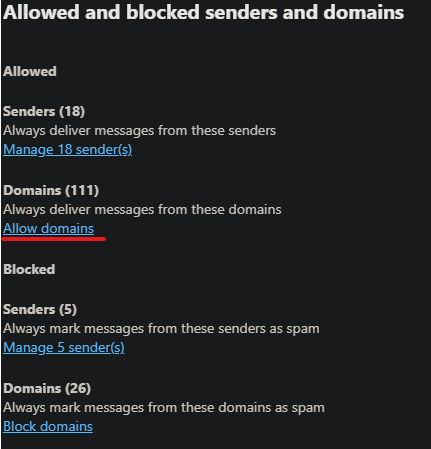
Once in the Allowed and blocked senders and domains menu, select Allow domains. (If there is a concern about allowing all traffic from this domain, select manage senders instead)
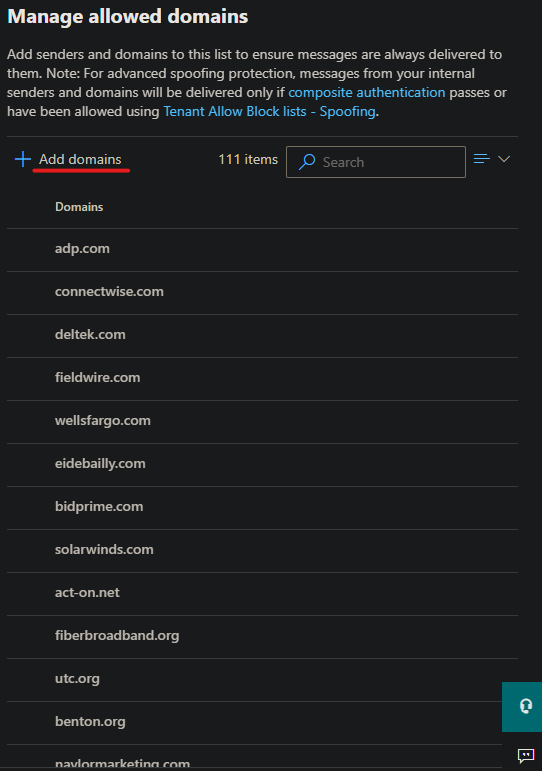
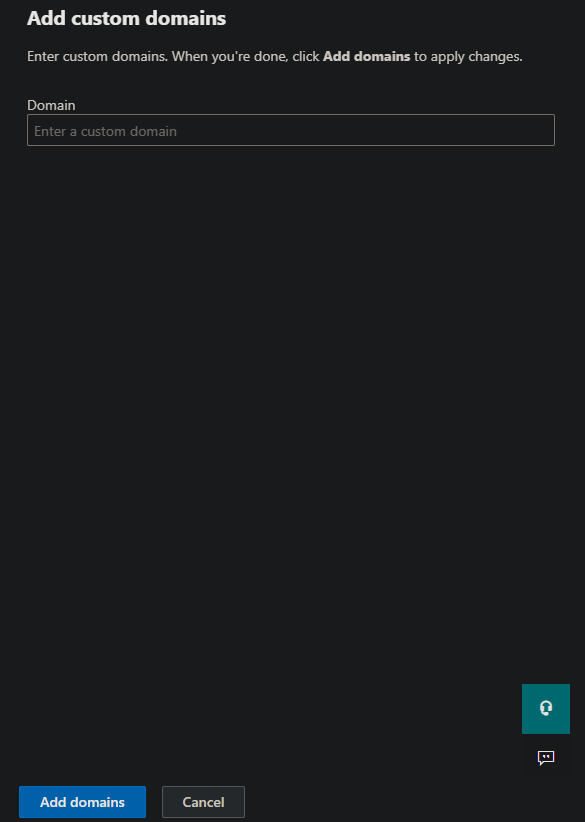
Once in the Manage allowed domains menu, select add domains, type in the domain name and select add domain. (If manage sender was selected, enter in the entire email address for the sender and not just their domain name.)
Now that the domain or sender as been added to Allowed senders and domains list, emails from said domain/sender will not be quarantined and will be allowed to filter to the recipient.